
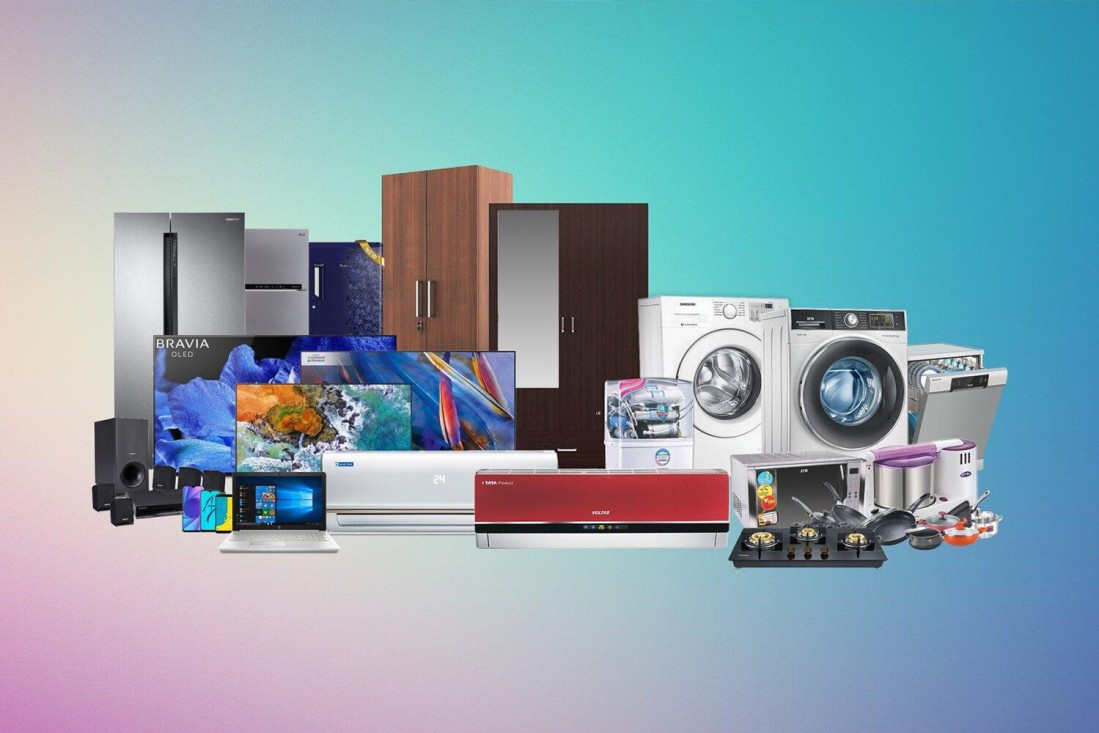
Household appliances are long-term investments. A good choice can make your daily routine smoother and save you money for years, while a bad one can lead to constant repairs, wasted electricity, and endless frustration. Here’s how to shop smart when it comes to upgrading your home appliances.
1. Start With Your Actual Needs
Before even looking at brands, understand what you really need.
Do you cook often? Do you live alone or with a big family? Do you need advanced features or just durability?
Clear priorities help you avoid overpaying for unnecessary extras.
2. Measure Your Space—Twice
Nothing is worse than buying a fridge or washing machine that doesn’t fit. Measure height, width, depth, and the doorway space. Always leave room for ventilation and movement.
3. Look for Energy Efficiency Ratings
Energy-efficient appliances may cost more upfront but save money in the long run. Over a few years, the reduced electricity and water bills easily justify the investment.
4. Compare Key Features, Not Just Price
A cheaper appliance without essential features (like inverter technology, smart sensors, or safety systems) can cost more to operate. Compare models side by side to understand long-term value.
5. Stainless Steel Isn’t Always Better
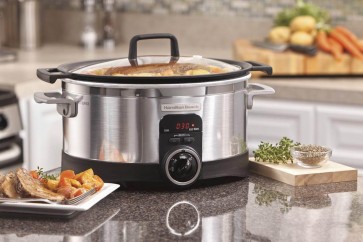
While it looks premium, stainless steel can attract fingerprints and scratches easily. Depending on your household, a matte or coated finish may be more practical.
6. Check Noise Levels
If you live in an apartment or small home, noise matters. Look for decibel ratings—especially for washing machines, dishwashers, and air purifiers.
7. Read Reviews From Real Users
Marketing materials make everything sound perfect. Actual user reviews reveal common issues like build quality, reliability, and customer service.
8. Consider Smart Home Compatibility
Smart appliances can automate chores, track usage, and improve efficiency. But don’t pay extra for “smart” features you won’t use. Make sure the tech matches your lifestyle.
9. Prioritize Warranty and After-Sales Service
A good warranty and accessible service center are worth more than fancy features. Appliances are long-term tools—support matters.
10. Think Long-Term Cost, Not Just Purchase Price
Some appliances are cheap to buy but expensive to maintain.
Ask yourself:
How much will it cost to run yearly?
Are replacement parts affordable?
Is the brand reliable?
Final Thought
Buying household appliances shouldn’t be a gamble. With the right approach—clear needs, smart comparisons, and focus on long-term value—you can choose appliances that serve your home efficiently for years. Make thoughtful choices today to enjoy convenience, comfort, and savings tomorrow.




Validate your login